Canggu, Bali

Buddhist Monastery, Banjar, Bali

Yogi at Hindu Monastery, Kauai, Hawaii

yogalign.co.nz admin
Spice Up Your Life
Health benefits of Turmeric

While the pharmaceutical industry searches for the ‘magic bullet’ to boost ageing minds, the ultimate mind food has been flavouring Indian curries for 5000 years. We take a look at the health benefits of Turmeric.
Turmeric has been lauded as potentially the most effective nutritional supplement in existence. Whilst this is a huge call to make, the health benefits of tumeric for your diet have been researched over hundreds of studies.
The common Indian spice contains bioactive compounds called curcuminoids, the most important of which is curcumin.
This active ingredient is responsible for its powerful anti-inflammatory effects and is also an incredible antioxidant. Whilst the level of curcumin in fresh turmeric is not that high (by weight), taking extracts that concentrate the content of the antioxidant are incredibly beneficial to a variety of ailments.
Note: Curcumin can be poorly absorbed in the body, foods containing piperine, such as black pepper, can aid in its digestion and absorption. The compound extract is also fat soluble, so taking the supplement with good fats will also aid in its digestion.

Health benefits of Turmeric
It’s anti-inflammatory
Turmeric has traditionally been used to fight inflammation in cases of stomach ulcers, gut inflammation and people suffering from arthritis and colitis.
Inflammation, of the gut in particular, has also been linked to chronic diseases, and obesity, so reducing inflammation can lead to a whole new world of health benefits.
Here are more foods that fight inflammation.
Boosts brain repair
According to a report in the journal Stem Cell Research, turmeric can encourage the growth of nerve cells thought to help aid brain self-repair.
The farming village of Ballabgarh in northern India has lower rates of Alzheimer’s disease than anywhere else in the world.
Clinical studies confirm the common cooking spice turmeric has potent anti-inflammatory effects that may prevent and even reverse the cognitive decline associated with Alzheimer’s and other dementia diseases.
Fighting symptoms of PTSD and depression
Now, scientists are claiming curcumin, the yellow curry compound found in turmeric, can help prevent fear from being stored in the brain while removing pre-existing fears from the brain’s storage.
Psychologists from The City University of New York are hoping the findings will pave the way for more sophisticated treatments for psychological disorders.
“This suggests that people suffering from post-traumatic stress disorder and other psychological disorders that are characterised by fearful memories may benefit substantially from a curcumin-enriched diet,” told Professor Glenn Schafe who led the study.
Similarly, a study conducted by universities in China found that curcumin can have significant antidepressant properties.
Fights infection
Studies have shown that turmeric has the ability to inhibit the spread of certain viruses and prevent infection.
Curcumin has powerful antioxidant effects. It neutralises free radicals on its own, then stimulates the body’s own antioxidant enzymes.
A word to the wise
If you are looking for supplements online, the FDA in America doesn’t regulate supplements like they do pharmaceutical drugs, as such it is important to do your research and find out exactly what the supplement contains before taking it.
Thanks MiNDFOOD for the article.
Remember To Breathe
Surviving modern motherhood

Authors Michele Powles and Renee Liang.
Two courageous Kiwi women, one an author and the other a pediatrician, lay bare the raw joy, beauty, discomfort and humour of modern motherhood. The result is uplifting and fearless.
Parenting is messy, hilarious, heartrending, tiring and above all joyful. There is no one right way to do it – but now two brave mums have shared a bit of their journey, and invite you to “laugh and cry along with us.”
Mum is the word for critically acclaimed writers Michele Powles and Renee Liang, with the launch of their new book, When We Remember To Breathe. MiNDFOOD chats with Renee about the new book, motherhood and remembering to breathe.
Tell me about ‘When We Remember To Breathe’, how and why did this come about?
Michele and I had met at writers’ events, and talked about how in early motherhood we’d wanted to record all the special moments, but we were too tired! When we both got pregnant with our second children we decided to write to each other as a way of cheering each other on.
The conversation became more and more frank, with the joyful comedic moments mixed in with the moments of doubt and exhaustion. And as we wrote we developed our friendship. We weren’t intending to publish but after sharing with other mums, including our eventual publisher, we were persuaded otherwise!
How is this similar or different to your other books?
I’ve written three poetry chapbooks, which are small handmade books. I’ve also published eight anthologies of Kiwi migrant women’s writing. But I’m best known for work which isn’t ‘published’ – I’ve written and toured seven plays, many about growing up Chinese in Aotearoa. I’ve also written words and story for a opera and a couple of musicals, including The Bone Feeder Opera commissioned for Auckland Arts Festival in 2017. Although I’ve always drawn on my own experiences to write, this is the first time I’ve shared something so personal without hiding behind the fiction.
Personally, what has your experience of motherhood been?
I came to motherhood late – I was 39 when I had my first. But I’m also a pediatrician so I had spent years being asked for advice by parents! Having kids made it real for me, and also taught me that babies don’t read the textbooks on how they’re are supposed to behave. I was lucky – I had good support and my husband is the best co-parent. I get annoyed when people ask if the kids miss me when I go to work. Of course they do – but they have their dad, and all their grandparents and aunties and uncles to love them and keep them busy!
Both mine and my husband’s parents are immigrants (Chinese and Croatian) so we’re exploring with our kids what it means to come from many cultures – luckily both sides of the family love to hang out together and eat great food!
Why should mothers remember to breathe?
It’s like that advice you get on planes – in an emergency, put your own oxygen on first. Mums (and all who parent) need time to be themselves, to find their anchors and to fill their lungs with whatever oxygen gives them life.
Do you have any advice for new mums on coping with the challenges of motherhood and balancing a career?
Now when I see parents and grandparents in my clinic, I just want to give them a hug and tell them how well they’re doing. It’s the world’s hardest job but it’s also the most important. Accept help when you need it, offer it when you can. Balancing work and parenting is a different choice for everyone. Follow your instincts, ignore the unhelpful ‘advice’ and know your decisions are the best for your family.

When We Remember To Breathe is co-written by Renee Liang and Michele Powles and will be published on 1st May. NZ$25.00 on Magpie Pulp.
5 Warning Signs Your Chakras Are Out Of Balance
By Lena Schmidt
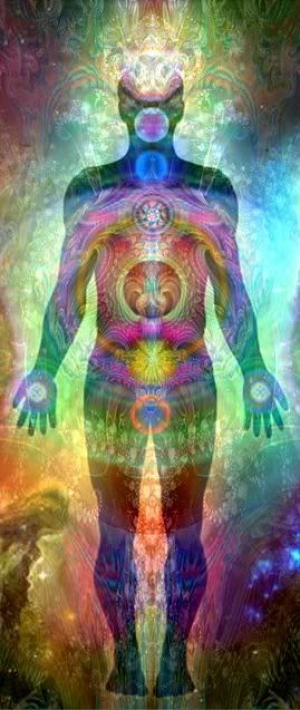
Have you been feeling “off” lately? Are you making silly mistakes at work? Are you sick for the third week in a row? Although any number of things could be the explanation for these distressing circumstances, they could also be indicative of an imbalance in your chakra system. What are chakras? And what are the signs your chakras are out of balance? Chakras are energy centers throughout the body. Although there are hundreds of chakras, there are seven main chakras that are generally focused on. These wheels of brilliant energy line up along the central channel of the body, the shushumna nadi.
The chakras along the shushumna nadi are the power centers where the left channel (ida nadi) and the right channel (pingala nadi) intersect. These energy channels and psycho-power centers make up what is known as “the subtle body.” The subtle body is in a different realm than the physical body and the mind, but has a powerful impact on the body, mind, and entire system. The human body system thrives when the chakras and the nadis are open and prana, or life force, is allowed to move throughout the system with ease. Any kind of disturbance or disease in the body, mind, or spirit can cause blockage and imbalance. The goal is harmony. So if you’ve been feeling out of sorts, take a closer look at your chakras to investigate what’s going on and begin to find balance.
If you are feeling out of balance, consider what you have been consuming (food, drink, ideas, experiences), your current life circumstances (traveling, moving, big transitions), and the current season (wind, cold, rain, heat, dryness). Each of these elements has a potentially big impact on your sweet, sensitive human system as a whole.
In the philosophies of yoga and Ayurveda, where the chakras play an important role in understanding the human system, “like increases like” and “opposites balance.” This means that if you already have excess heat in your body (in the forms of anger or indigestion) and you add more heat (like a warm day or spicy food), you may feel even more heat and agitation than you already do—like increases like. On the other hand, if you add the opposite to that equation and take a cold shower or eat some fresh fruit, you may feel better and more in balance—opposites balance. Caroline Myss, author of Anatomy of the Spirit, and an expert in energy medicine, explains that your biography becomes your biology with each thought you think and each experience you encounter.
Are Your Chakras Balanced?
In general, there are five warning signs that your chakras may be out of balance. In striving for balance, too much or too little energy in each of the chakras creates imbalance. Remember: the goal is harmony—balancing your chakras does take effort. The general warning signs are:
- Something feels “off.”
- You get sick.
- You get sick. Again.
- You start making silly mistakes.
- Everything seems to be falling apart.
Each of these general imbalances manifests as specific physical, mental, emotional, and spiritual imbalances in each chakra. Let’s take a closer look at how imbalances in each chakra can influence a sense of disharmony in the body system as a whole.
Root Chakra—Muladhara
This chakra, physically located at the feet, legs, and “roots” of your being, is connected with the element of Earth. The root chakra is associated with your sense of safety, security, and feeling at home within your skin. This chakra is also related to your family of origin and your human tribe.
Warning Signs this Chakra Is Out of Balance
If you are experiencing any of the following symptoms, you may have an imbalance in the root chakra:
- Pain and stiffness in your feet and legs
- Excess flexibility in your hamstrings/low sense of physical stability
- Feeling ungrounded, unsafe, and insecure
- Home life feels chaotic and unsettled
- Feeling stuck in life/low sense of flexibility
To Bring into Balance
- Connect with the earth: go for a hike, walk in the sand, or garden.
- Eat vegetables and fruit—food from the earth.
- Practice grounding pranayama like sama vritti and alternate nostril breathing.
- Wear the color red.
- Stretch and strengthen your legs.
Sacral Chakra—Svadhistana
This chakra, physically located at the sacrum, hips, and sexual organs, is connected with the element of Water. The sacral chakra is associated with your emotions, creativity, and senses. This chakra is also related to your one-on-one relationships and your connection to intimacy.
Warning Signs this Chakra Is Out of Balance
If you are experiencing any of the following symptoms, you may have an imbalance in the sacral chakra:
- Pain and stiffness in your low back and hips
- Feeling easily overwhelmed emotionally
- Loss of imagination and no creativity
- Out of touch with emotions and closed off
- Sexual and reproductive issues
To Bring into Balance
- Connect with the element of water: drink water, swim, take a soothing bath.
- Dance.
- Get in touch with your feelings through journaling or therapy.
- Wear the color orange.
- Move and stretch your hips.
Solar Plexus Chakra—Manipura
This chakra, physically located at the abdomen, mid-back, and side body, is connected with the element of Fire. The solar plexus chakra is associated with all of your thoughts and feelings about yourself. This chakra is about your relationship to yourself.
Warning Signs this Chakra Is Out of Balance
If you are experiencing any of the following symptoms, you may have an imbalance in the solar plexus chakra:
- Digestive issues and abdominal pain
- Low self-esteem
- Overinflated ego
- Inability to commit
- Inability to follow through with goals
To Bring into Balance
- Connect with the element of fire: meditate on a candle flame or bonfire.
- Eat foods that are easy to digest.
- Get out in the sunshine.
- Wear the color yellow.
- Strengthen your core and practice detoxifying twists.
Heart Chakra—Anahata
This chakra, physically located at the heart, chest, shoulders, arms, hands, and upper back, is connected with the element of Air. The heart chakra is associated with love of all kinds: kindness to strangers, romantic love, compassion for others, friendship, family love, and self-love.
Warning Signs this Chakra Is Out of Balance
If you are experiencing any of the following symptoms, you may have an imbalance in the heart chakra:
- Pain in your upper back or chest
- Tight shoulders or, alternatively, overly flexible shoulders
- Inability to receive love in any of its forms
- Lack of self-compassion
- Feeling a sense of lack or loss with regards to love
To Bring into Balance
- Connect with the element of air: get outside in fresh air and breathe deeply.
- Practice loving-kindness/Metta meditation for yourself and others.
- Practice self-care, self-love, and express love to others.
- Wear the colors green or pink.
- Stretch your chest, upper back, shoulders, arms, and hands.
Throat Chakra—Visshudha
This chakra, physically located at the throat, neck, mouth, jaw, and ears, is connected with the element of Ether/Space. The throat chakra is associated with communication, expression, using your voice, and knowing when to stay quiet. This chakra is related to your ability to speak from your heart and mind with clarity and to listen with compassion.
Warning Signs this Chakra Is Out of Balance
If you are experiencing any of the following symptoms, you may have an imbalance in the throat chakra:
- Sore throat or laryngitis
- Jaw pain or habit of grinding your teeth
- Pain or stiffness in your neck
- A habit of talking all the time/not knowing when to stay quiet
- Inability to speak up, set boundaries, or stand up for yourself
To Bring into Balance
- Sing or chant mantra.
- Drink soothing tea or lemon water.
- Practice silent meditation.
- Wear the color turquoise.
- Listen to beautiful music.
Third Eye Chakra—Ajna
This chakra is physically located center of the forehead in the space between the eyebrows and inside the mind. The third eye chakra is associated with your intuition, imagination, inner wisdom, and insight. This chakra is also related to your ability to see deep within your heart spaces to the truest, wisest parts of yourself. When the third eye chakra is open, you see the bigger picture and have a positive view of the future.
Warning Signs this Chakra Is Out of Balance
If you are experiencing any of the following symptoms, you may have an imbalance in the third eye chakra:
- Headaches
- Brain fog
- Lack of intuitive guidance
- Lack of inspiration
- Overactive, overwhelming imagination
To Bring into Balance
- Listen to and honor the messages your body sends you.
- Keep a dream journal.
- Wear the color blue.
- Practice balancing postures like Tree Pose and Dancer’s Pose.
- Practice yoga with your eyes closed.
Crown Chakra—Sahasrara
This chakra is physically located at the top of the head and skull. The crown chakra is associated with your sense of enlightenment and remembrance that you are a small part of a greater whole. This chakra is also related to your sense of place in the universe.
Warning Signs this Chakra Is Out of Balance
If you are experiencing any of the following symptoms, you may have an imbalance in the crown chakra:
- Headaches
- Inability to concentrate or focus on the task at hand
- Seemingly constant drama in your life
- Inability to see beyond your own small corner of the world
- Inability to take on other’s perspectives or practice empathy
To Bring into Balance
- Practice meditation.
- Get involved with volunteer work.
- Keep a gratitude journal
- Wear the color purple.
- Practice Headstand and other inverted yoga poses.
The chakra system is one way to understand the human body. Even minor disturbances in the “subtle body” can manifest as pain, disease, discomfort or general disharmony in your body, mind, heart, and spirit. As you make your way on your journey toward balance, bliss, and happiness, consider checking in with your chakras regularly. Investigating the chakras can be a good temperature gauge for the entire system. Allow your journey to be intuitive and guided by your inner wisdom. Happy harmonizing!
*Editor’s Note: The information in this article is intended for your educational use only; does not necessarily reflect the opinions of the Chopra Center's Mind-Body Medical Group; and is not a substitute for professional medical advice, diagnosis, or treatment. Always seek the advice of your physician or other qualified health providers with any questions you may have regarding a medical condition and before undertaking any diet, supplement, fitness, or other health program.
The Energy Vampire Solution - Video 2
| Have you ever met someone who seems perfect – polished, attractive, kind, generous, maybe even successful – yet the more you get to know them, the more you realize that they’re actually self-centered, manipulative and deceitful? Their perfection is simply a façade put on so the world holds them in high esteem. If you or someone you know is an empath or highly sensitive person, you may easily be pulled in by people like this. I call them energy vampires. They appeal to your generosity, your compassion and your innate problem-solving nature. But, as psychologist Sandra L. Brown, M.A. says, these are “relationships of inevitable harm.” In my second free video, I delve deeply into the mechanics of energy vampires – how they can zero in on you in a crowd based on your empathic traits and get their hooks in you if you aren’t careful. I will also give you some pointers on how you can protect yourself, and skillfully tiptoe out of their clutches before you fall prey. |
| Watch Wellness Video 2: Protect Yourself from Energy Predators with These Techniques  |
| After you watch my video, I am confident you will have a clearer idea of who and what an energy vampire is, as well as what you can do to avoid them for good. If you missed my first video, which will help you know if you’re an empath, you can still catch it here for a little while longer: |
| Watch Wellness Video 1: How Empathy Can Protect You  |
| Once you watch these videos, head to the comment section and share your thoughts about these first two lessons so far on this journey. I’d love to hear about your experiences with energy vampires and as an empath. I have two more free videos coming your way over the next few days. In the next one, I will show you exactly how you can begin to protect yourself and recover your life force after interacting with an energy vampire. And, if you know an empath who may be vulnerable to the energy vampires in their midst, make sure to share this video with them so that they, too, can get some benefit from this invaluable series. Flourishingly Yours,  Christiane Northrup, M.D. |
The Energy Vampire Solution - Video 1
| If you’ve ever been told you’re “too sensitive” it’s likely you are part of a group of highly sensitive people called empaths. Empaths interact with the world differently than even an extremely compassionate person. We can sense the true energy of a person, seeing their deep, frequently unseen pain often before they do. We sense it because it shifts our own energy, affecting us on multiple levels. There’s also another group of people that I call energy vampires. Energy vampires can be exquisitely appealing to everyone. They’re charming, fun, successful, and yet their impact is insidious for those who get caught in their grip. More often than not, those getting caught are empaths who are not in touch with their own light and intuition. If you are an empath in a relationship with an energy vampire, you may not feel it now, but eventually you will be worn down—both physically and emotionally. As someone who’s been on the frontlines of women’s healthcare for decades, I believe this is actually one of the most under-identified causes of ill health. And that’s why I’ve put together this free wellness workshop. By signing up to receive my four free videos, you’ll learn simple ways to identify, cast out, and heal from energy vampires. In my first video, I share personal stories and stories of others to help explain what it’s like to be an empath—and then help you understand what an energy vampire is and what happens when you get entangled with them. |
| Watch Wellness Video 1: How Empathy Can Protect You |
| If you don’t know you’re an empath and you don’t know how energy vampires work, you are apt to be preyed upon. Please be sure to leave me a comment on the video page to share your own experience as an empath or with energy vampires. Also, if you think anyone else would benefit from this video, please share it with them. And stay tuned for my next three videos in this wellness workshop. Flourishingly Yours, Christiane Northrup, M.D. |
Do You Crave A Sweet Treat In The Evening?
Words From Dr Libby Weaver (PhD)
nutritional biochemist, author & speaker
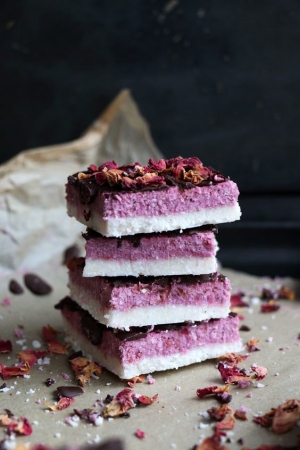
Craving something sweet in the evenings is usually one of these three things
Nutritional: Your food choices throughout the day may have been missing
some key nutrients, and so your body drives you to eat unresourcefully at the
end of the day in an attempt to get these needs met. This is particularly
common if you haven't had enough nutritious fats throughout the day,
if you've missed a meal or swapped food for a coffee.
Biochemically: When we race around all day living on adrenaline due to
our perceptions of pressure & urgency, the body will predominately burn glucose,
rather than fat, and you will crave more sugar to replenish your stores.
Emotionally: Often our craving for sugar has more to do with an emotional need that
isn't been met as we seek more "sweetness" in our lives. Identifying this and
cultivating ways to bring more joy into your life can transform these cravings.
for more info check out www.drlibby.com
Minimalist Meets Bohemian

Minimalist meets Bohemian
Welcome to a little gathering of Women, where I will have some beautifully hand crafted jewellery for sale at my home.
It is an opportunity to get together for great conversation, connection, laughter & sharing our dreams, passions & experiences. Feel free to bring a friend.
Drop by for a drink & refreshments from 5.30pm Friday 8th of March at 19B Golf Road.
If you would like to purchase a special piece of jewellery for either yourself or someone special in your life, I will accept cash or you can pay direct into my bank account.
I would love you to join us for a relaxed evening.
Love, light & laughter Leonie xx
Boost Your Vitality, Resilence & Radiance With A Daily Cold Shower
COLD SHOWER EVERY DAY WILL CHANGE YOUR LIFE

IMAGE CREDIT: @STUDIOLOWSHEEN
RELAXING? NO. BUT STUDIES SAY IT WILL MAKE YOU HEALTHIER AND HAPPIER.
Cold showers may not be your preferred way to start the day, but studies reveal that taking one a day can help make you fitter, slimmer, happier and healthier. Here are 10 reasons it might be worth the “brrrrr” every morning.
COLD SHOWERS BURN FAT
There are two kinds of fat in your body - white and brown fat. White fat forms when we consume more calories than our body needs to function and when we don’t burn those calories for energy, they gather around the waist, lower back, neck, and thighs. Brown fat however is good fat. Its function is to generate heat to keep the body warm. Cold water exposure promotes the production of brown fat cells in our body, and when brown fat is activated due to extreme cold, it burns calories to keep you warm, which in turn, burns the white fat. How effective is this process? Scandinavian researchers found that exposure to cold temperatures increased the metabolic rate of brown fat by 15-fold, which could help a person drop 4 kilos or 9 lbs in a year if sustained.
COLD SHOWERS SUPPORT RECOVERY AFTER EXERCISE
Because cold causes the arteries to constrict, which in turn reduces pain-giving inflammation, athletes often take ice baths after training to ease muscular soreness. For the non-pro athletes, a cold shower after the gym can provide similar soothing benefits for super-fast recovery which means less stiffness, aches and pains.
COLD SHOWERS HELP YOU FOCUS
Regular cold showers can effectively reduce fatigue. An icy blast boosts blood flow to the heart, increases heart rate, lung function, and oxygen transportation around the body, which in turn, wakes up those alertness-boosting hormones.
COLD SHOWERS STRENGTHEN IMMUNITY AND CIRCULATION
Because cold water boosts metabolic function, the immune system is also given a kick which allows it to release virus-fighting white blood cells that will help you fight illness. Cold showers also increase your overall blood circulation, which can help you avoid hypertension and the hardening of arteries.

IMAGE CREDIT: @ADESIGNERSMIND
COLD SHOWERS ARE GOOD FOR HAIR AND SKIN
For a complexion to be smooth and dewy, skin must produce oil and fat to lubricate the surface layer. Hot water removes this oil and fat which results in a dry and dehydrated complexion. Cold water however tightens cuticles and pores which stops them becoming clogged. Cold water also closes the hair cuticle which gives hair a gleam and stops dirt accumulating in your scalp.
COLD SHOWERS CLEAR THE MIND
According to researchers at the Virginia Commonwealth University School of Medicine, cold showers can be effective for reducing stress and anxiety. They asked patients with depression to take short, 20-degree showers daily and reported that “cold hydrotherapy can relieve depressive symptoms rather effectively”. They explained cold showers boosted endorphins and hormones in the blood and sent an “overwhelming” amount of electrical pulses to the brain, “which could result in an anti-depressive effect”.
HOW TO TAKE A COLD SHOWER
Swapping your piping hot morning shower to an icy one can be challenging. Because the first 30 seconds are the worst, start your shower warm, then simply switch your water temperature from hot to cold every 10-20 seconds. When you’re feeling brave and have the mental toughness you need to survive the shivering, try a full blast cold shower on for size. At first you might begin to hyperventilate, so use your breathing as an anchor and focus on the physical sensations, rather than on your thoughts. Taking a cold shower is an amazing exercise in mindfulness and non-resistance. And then of course there is all those benefits. Worth the “brrrrrs”? We think so.
YogAlign Creator Michaelle Edwards returns to NZ April 2019

All the way from Kauai, Hawaii Michaelle Edwards will be holding a training at the Mangawhai Surf Club, with stunning ocean views.
Book now for your place in the workshop in New Zealand, with the creator of YogAlign Michaelle Edwards - registration and further information www.yogalign.com
Optimal Hydration in the Heat
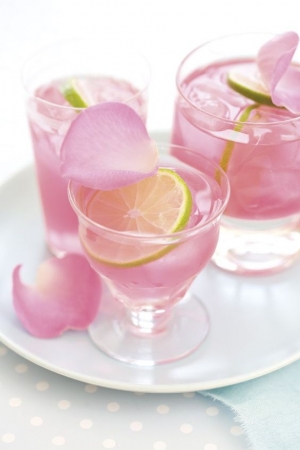
Here is Australasia we are amidst a very hot summer season
To keep up your focus & energy levels try increasing your hydration with these two tips
Hydrate from the Inside: To hydrate your skin from the inside, the first thing to realise is that drinking 8 glasses of water a day is not the way!! Instead you must increase your intake of water in gel form— as it exists in foods like berries, cucumbers, oranges, lettuce, and lemons. In fact, adding a lemon or cucumber slice to drinking water with a tiny pinch of Celtic sea salt or Himalayan sea salt will do wonders for the hydrating quality of your water. Adding a tablespoon of chia seeds to water and a pinch of Himalayan salt— and letting the seeds sit for 15 minutes until they swell before drinking will also hydrate your body far better than simply drinking a glass of water. This practice will also eliminate constipation in most cases.
Remember…….alcohol and coffee are dehydrating. So for every alcoholic drink or cup of coffee you drink, just drink the equivalent amount of water or herbal tea— ideally with a little pinch of salt. You will be amazed at the improvements in your health simply by hydrating yourself optimally.
Hydrate from the Outside: You can hydrate your skin optimally throughout the day by spritzing with a Hydrating Mist & Toner. Just spray on your face, neck, and décolleté after cleansing & before your moisturiser. Then press the fluid into your skin with your hands and fingers. Since your hands have healing power and are directly linked to your heart, we recommend that when gently pressing the hydrating mist into your skin, you do so with loving intent. Try making your own beautiful Rose Hydrating Mist.
Contact Leonie Main
m: +64 (0) 274 96 96 33
19B Golf Road, Mount Maunganui 3116, New Zealand
Facebook: Gypset Life